
Cyprus · Limassol
We love this island, so we build for it
Ten thousand years of people arriving and deciding to stay. Long tables, warm stone, short winters, and a toast — yia mas — that includes whoever just walked in.
Where we are
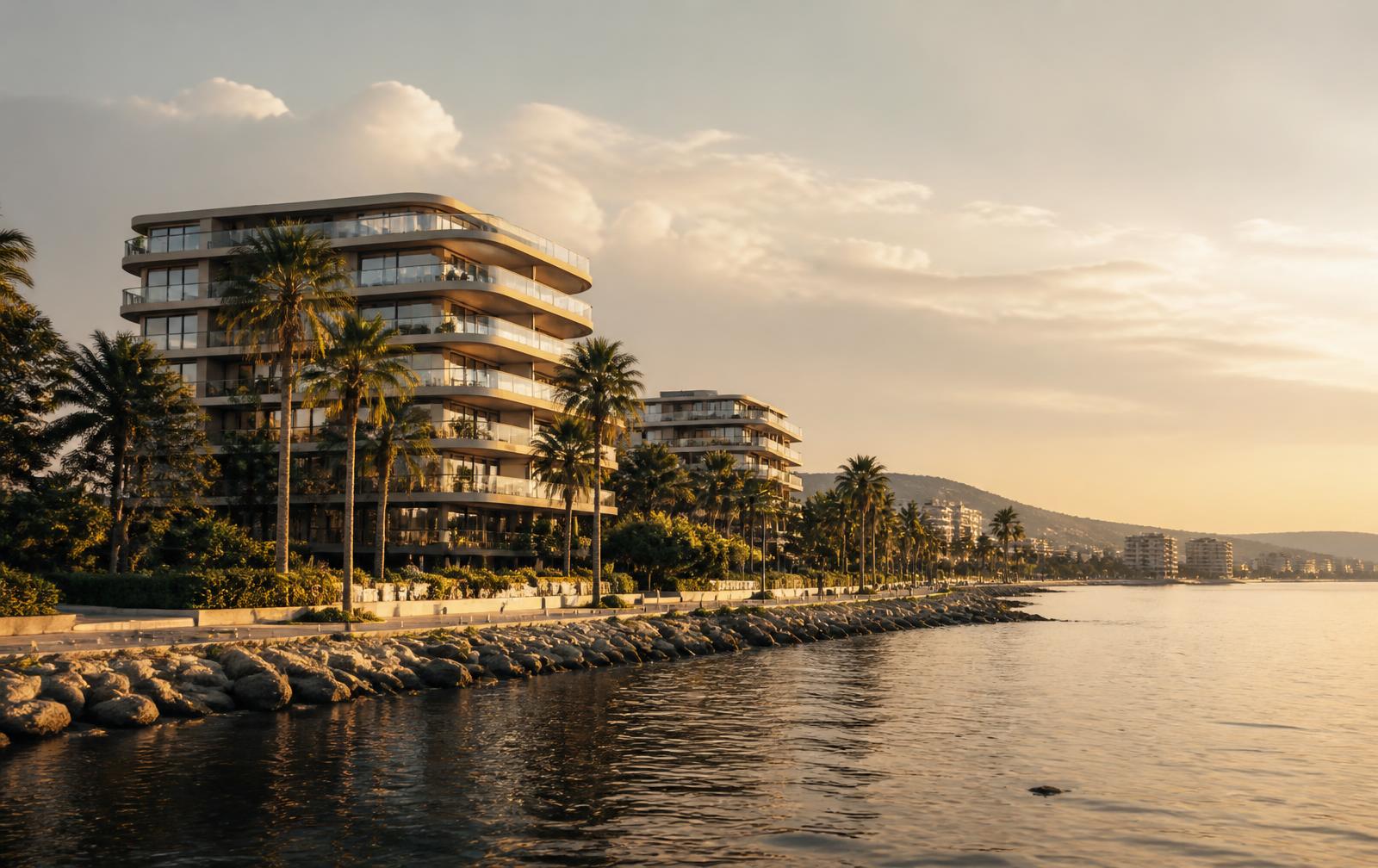
Limassol, in the middle of everything
A working city with a holiday coastline: fifteen kilometres of promenade, a medieval castle at one end, a marina at the other, and forty minutes of pine mountain behind it. Arvora designs here because life here already happens outdoors.
The island
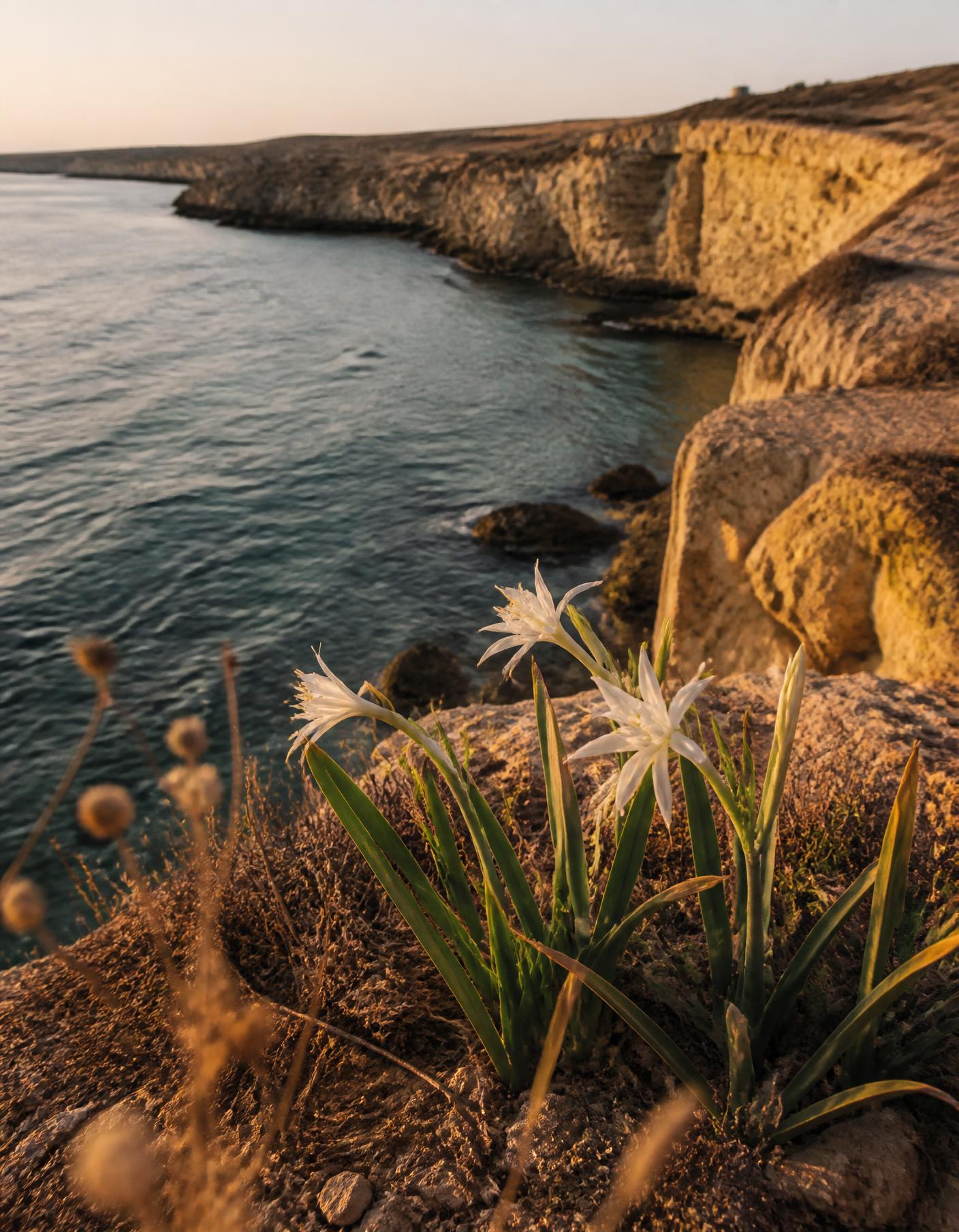
Ten thousand years of people staying
Cyprus sits where three continents almost meet, which is why everyone came — Mycenaeans, Phoenicians, Romans, Byzantines, Venetians, Ottomans, the British — and why so much of them stayed in the food, the words, the stonework and the songs.
You can read the whole sequence in a single afternoon: a Neolithic settlement at Choirokoitia, the theatre at Kourion cut into the cliff above the sea, Byzantine chapels in the Troodos with frescoes still holding their colour, and Kolossi Castle, where the Knights pressed the grapes for Commandaria.
The people
We smile at strangers, and we mean it
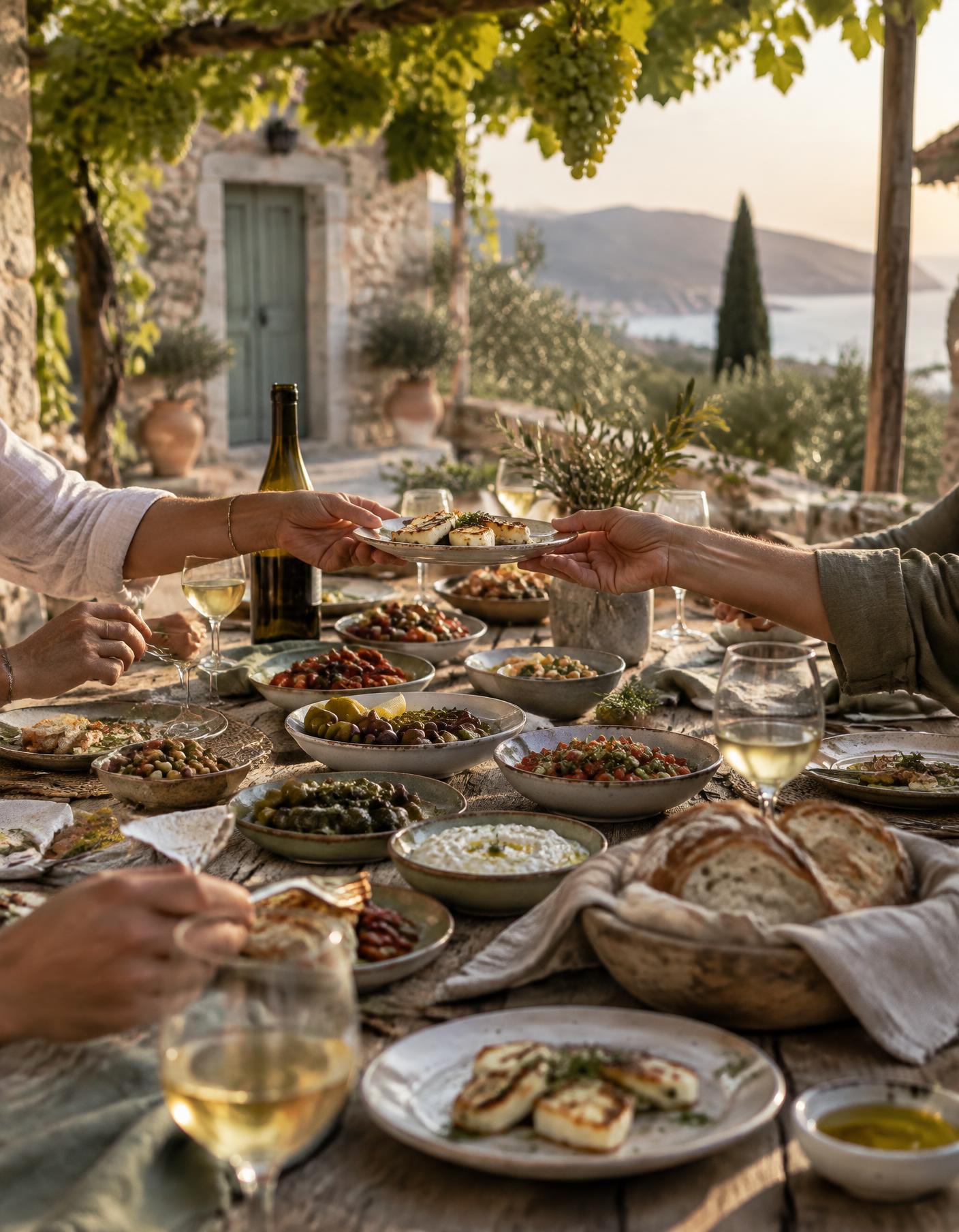
Cypriot hospitality is not service — it is a reflex. Ask for directions and you may be walked there. Compliment the tomatoes and a bag arrives at your door. Arrive empty-handed at a name day and you will still be fed twice.
The first glass is raised with yia mas — to our health, all of us at the table, including whoever walked in five minutes ago. It is a small sentence that explains a great deal about how the island treats people who have just moved here.
The rhythm
Island life, kept at the right tempo
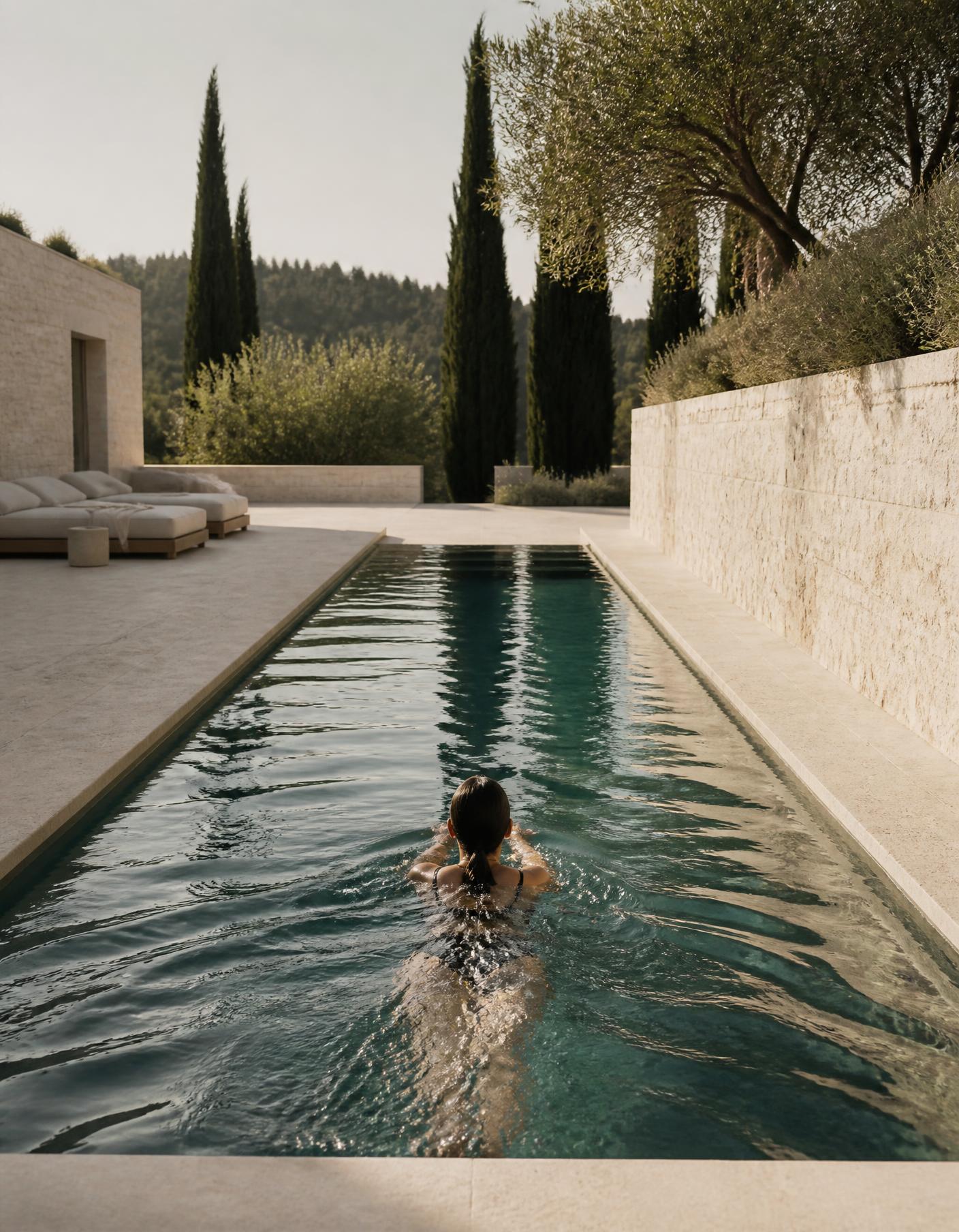
Life here is organised around light and shade. Early swims before the heat, shutters half-closed at midday, everything shifting outdoors again as the sun drops behind the Akrotiri salt lake. Winter is green and short; spring smells of orange blossom for three weeks.
It is a rhythm you can build for — deep verandas, cross-ventilation, planted courtyards, shade where the afternoon needs it. Homes on this island should make the outside easy to reach, ten months of the year.
The shortest Cypriot lesson
Yia mas — to our health, all of us
You will hear it before you learn any other Greek. It is raised with the first glass, said looking people in the eye, and offered to strangers as readily as to family. That instinct — make room, pour another, stay longer — is the reason we design homes with tables that seat more people than live in the house.
Traditions
Things worth learning in your first month
None of it is written down anywhere. All of it is how the island actually works.
Yia mas
To our health. Never drunk alone, never rushed, always inclusive of the table.
Meze
Twenty small plates instead of one decision. Ordered for the table, eaten for two hours.
Kafes
Coffee measured in conversations, not minutes. Sketos, metrios or glykos — bitter, medium, sweet.
Name days
Your saint's day beats your birthday. No invitations are issued; the door is simply open.
Commandaria
Limassol's sweet wine, made near Kolossi since the Crusades — the oldest named wine still produced.
Easter
Flaounes, whitewashed courtyards, the whole village in the square at midnight.
Carnival
Limassol in feathers and confetti for ten days each spring — the island's loudest week.
Volta
The evening walk along the seafront. No destination required.
Good to know
Questions people ask before they move
What is life in Limassol actually like?
Limassol runs on daylight. Mornings begin with a swim or a coffee that lasts longer than it should, the working day sits in the middle, and evenings move outside — a seafront walk, a taverna table, children still playing at ten. Nearly 340 days of sunshine a year make outdoor living the default rather than a treat.
What does 'yia mas' mean?
Yia mas means 'to our health' — literally 'to us'. It is said with the first glass, with strangers included, because in Cyprus a toast is about the table rather than the drink. It is the shortest possible summary of Cypriot hospitality: whoever is present belongs.
Is Limassol a good place to move to with a family?
It is one of the most practical cities in the Mediterranean for family life: international and private schools across the city, a compact centre, safe neighbourhoods, year-round sport, and the Troodos mountains just forty minutes inland. Everything a family needs sits within a short drive.
How old is Cyprus, historically?
Human settlement on the island goes back around 10,000 years. Kourion's Greco-Roman theatre still stages performances above the sea, Amathus was a kingdom before Rome existed, and Kolossi Castle marks the era when Limassol's sweet wine — Commandaria — travelled to European courts. It is thought to be the oldest named wine still in production.
What traditions still shape the Cypriot year?
Easter, above everything: whitewashed courtyards, flaounes baking, the whole village outdoors at midnight. Then the Limassol Carnival in spring, the Wine Festival in September, name-day tables that no one is invited to and everyone attends, and the quiet ritual of Sunday lunch that runs until the light goes.
Come and see
Island life, with a front door
Our developments sit in the parts of Limassol where this way of living is easiest — walkable neighbourhoods, green streets, the sea within reach. Come for a coffee and we will show you the plots.